VA Loans in Houston, TX
VA Home Financing for Houston Veterans
Meet Mike McFarland
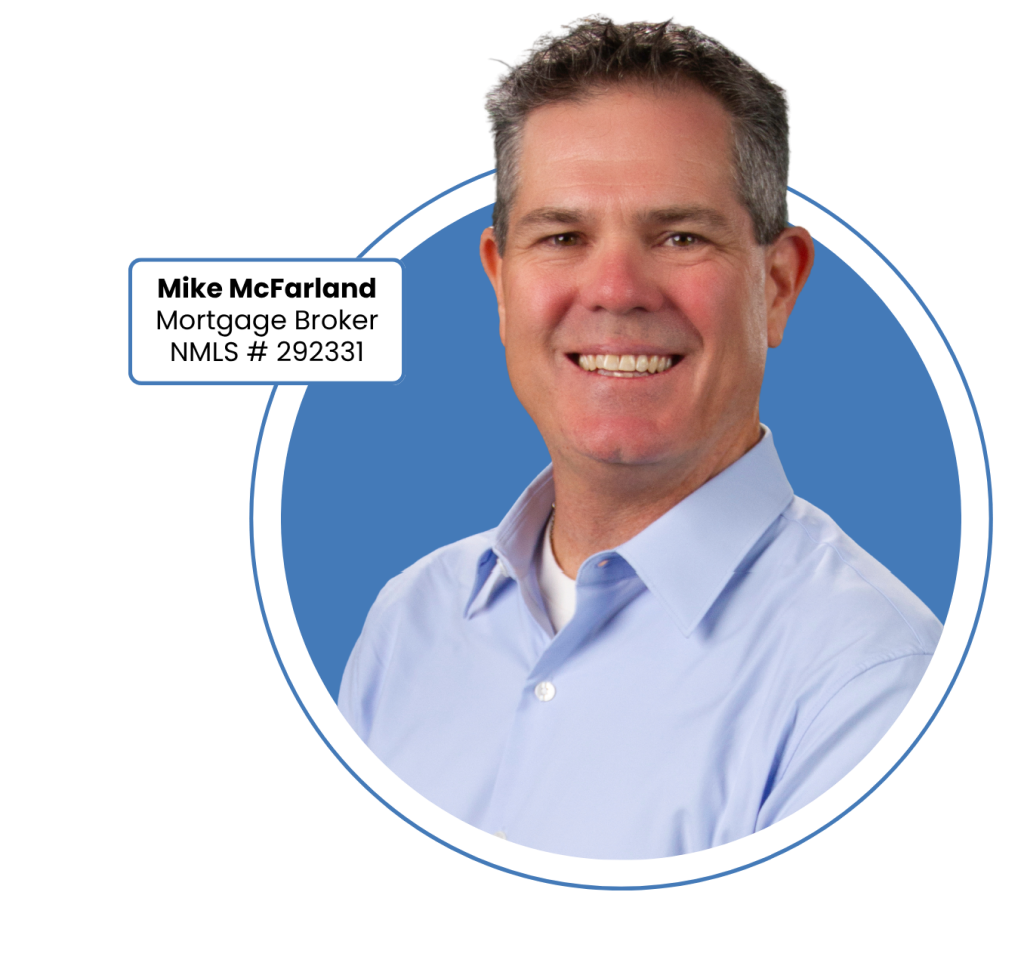
Sr Mortgage Advisor | Owner
Personalized VA Loan Guidance for Your Home Purchase
For eligible veterans, active-duty service members, and qualifying surviving spouses, a VA Home Loan can provide a valuable financing option for purchasing a primary residence. Depending on eligibility, entitlement, credit profile, income, property qualifications, and applicable lender requirements, qualified borrowers may be able to take advantage of no-down-payment financing and other VA-specific benefits. Understanding the program before beginning the homebuying process can help you establish an appropriate budget, prepare your documentation, and make informed decisions throughout the transaction. Mortgage Mike Group, led by Mike McFarland, NMLS #292331, focuses specifically on VA mortgage financing and provides guidance for eligible borrowers across Texas.

A home purchase is an important financial commitment, and understanding your available VA benefits can help you approach the process with greater clarity. VA financing is designed specifically for eligible service members, veterans, and qualifying surviving spouses and may provide advantages compared with certain conventional financing options. Depending on your circumstances, you may be able to purchase an eligible primary residence without a traditional down payment. Your complete housing expense will still depend on factors such as the purchase price, interest rate, loan term, property taxes, homeowners insurance, closing costs, and applicable VA-related fees.
Determining VA eligibility and entitlement is an important part of preparing for your mortgage. Veterans, active-duty service members, and certain surviving spouses may qualify based on applicable service requirements. A Certificate of Eligibility, commonly called a COE, is generally used to verify VA entitlement. However, VA eligibility alone does not guarantee mortgage approval. Lenders also evaluate income, employment, credit history, debts, assets, and other financial information to determine whether the borrower meets applicable underwriting requirements. Reviewing your financial position early can help you understand what information may be needed when you begin your application.
One of the most valuable features of VA financing is the potential for no down payment for qualified borrowers who meet applicable requirements. This can allow eligible homebuyers to preserve their savings instead of placing a substantial amount toward the purchase price. Keeping funds available may provide additional flexibility for moving expenses, emergency savings, furnishings, improvements, or other costs associated with homeownership. However, borrowers should understand that a no-down-payment mortgage can still involve other upfront expenses. Closing costs, prepaid items, inspections, appraisal expenses, and other transaction-related charges may apply depending on the property and loan structure.
Selecting an appropriate property is also an important part of the VA financing process. A property financed through the program generally needs to satisfy applicable VA property requirements and must be intended as the borrower’s primary residence. A VA appraisal may be required to evaluate the property’s value and applicable program standards. Borrowers should also consider obtaining an independent home inspection because the appraisal is not designed to provide a complete assessment of the property’s condition. Carefully reviewing the home’s condition, location, price, and long-term suitability can help you make a more informed purchasing decision.
Mortgage rates and loan terms can have a substantial effect on the affordability of your purchase. VA mortgage rates can change with market conditions, while the rate available to a particular borrower can depend on credit qualifications, loan amount, property characteristics, occupancy, and lender requirements. It is important to evaluate the entire mortgage rather than looking at the interest rate alone. The repayment term, principal balance, estimated property taxes, homeowners insurance, applicable fees, and other housing costs can all influence your monthly obligation. Understanding these components can help you determine whether a potential purchase fits within your financial plans.
Understanding the costs associated with VA financing is equally important. A VA funding fee may apply to certain transactions, although some borrowers may qualify for an exemption depending on their circumstances. Other potential expenses may include lender charges, title and settlement costs, prepaid taxes and insurance, appraisal-related expenses, and other closing costs. The actual costs vary according to the specific loan and borrower qualifications. Reviewing these expenses early can help you understand how much you may need for closing and can give you a clearer picture of the total cost associated with purchasing the property.
The mortgage process typically includes several stages, including reviewing eligibility, discussing financing goals, completing an application, providing documentation, evaluating the loan, selecting a property, completing the appraisal and underwriting process, and preparing for closing. Staying organized and responding promptly to documentation requests can help the transaction progress efficiently. Mike McFarland provides VA-focused guidance throughout these stages, helping eligible borrowers understand the information required and the steps involved. Clear communication can make the process easier to follow while helping you remain aware of important milestones as your mortgage moves toward closing.
When you are ready to explore VA financing for your home purchase, Mortgage Mike Group can help you understand the available options and the requirements that may apply to your situation. Mike McFarland, NMLS #292331, provides dedicated VA mortgage guidance for eligible borrowers throughout Texas. Whether you are purchasing your first home or planning another move, understanding your VA benefits, financial qualifications, estimated costs, and property requirements can help you make more informed decisions. Beginning the process early gives you time to prepare your documentation, evaluate your budget, and move toward homeownership with a clearer understanding of your financing options.